

About
Henrik Langsdorf is a visual artist and filmmaker who divides his time between New York and Kassel, Germany.
His work ranges from abstract art and collage to time-based media and art in public space.
His current practice is informed by extended stays in Kinshasa and Nairobi and deals with colonial history and human marginalization in urban contexts.
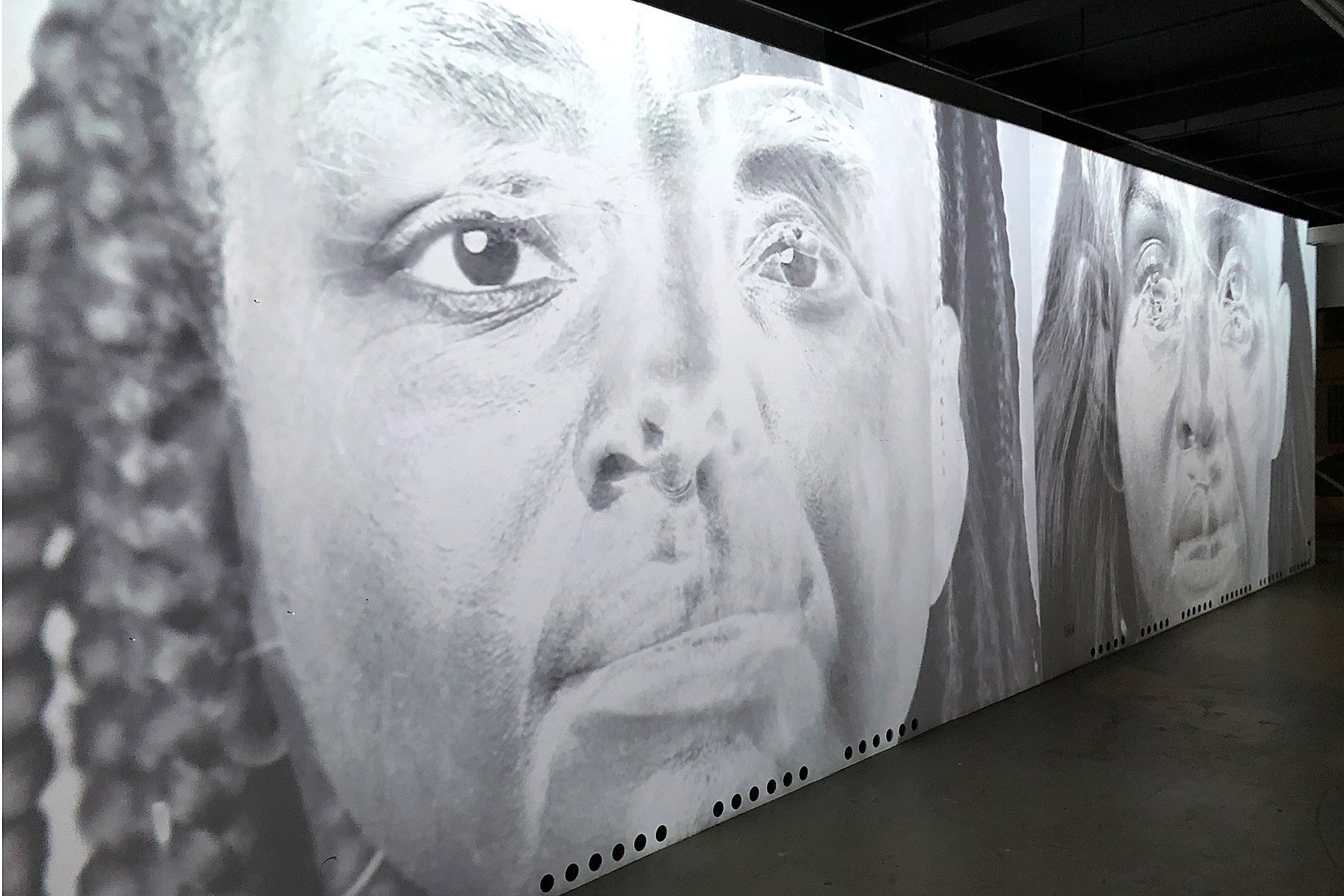
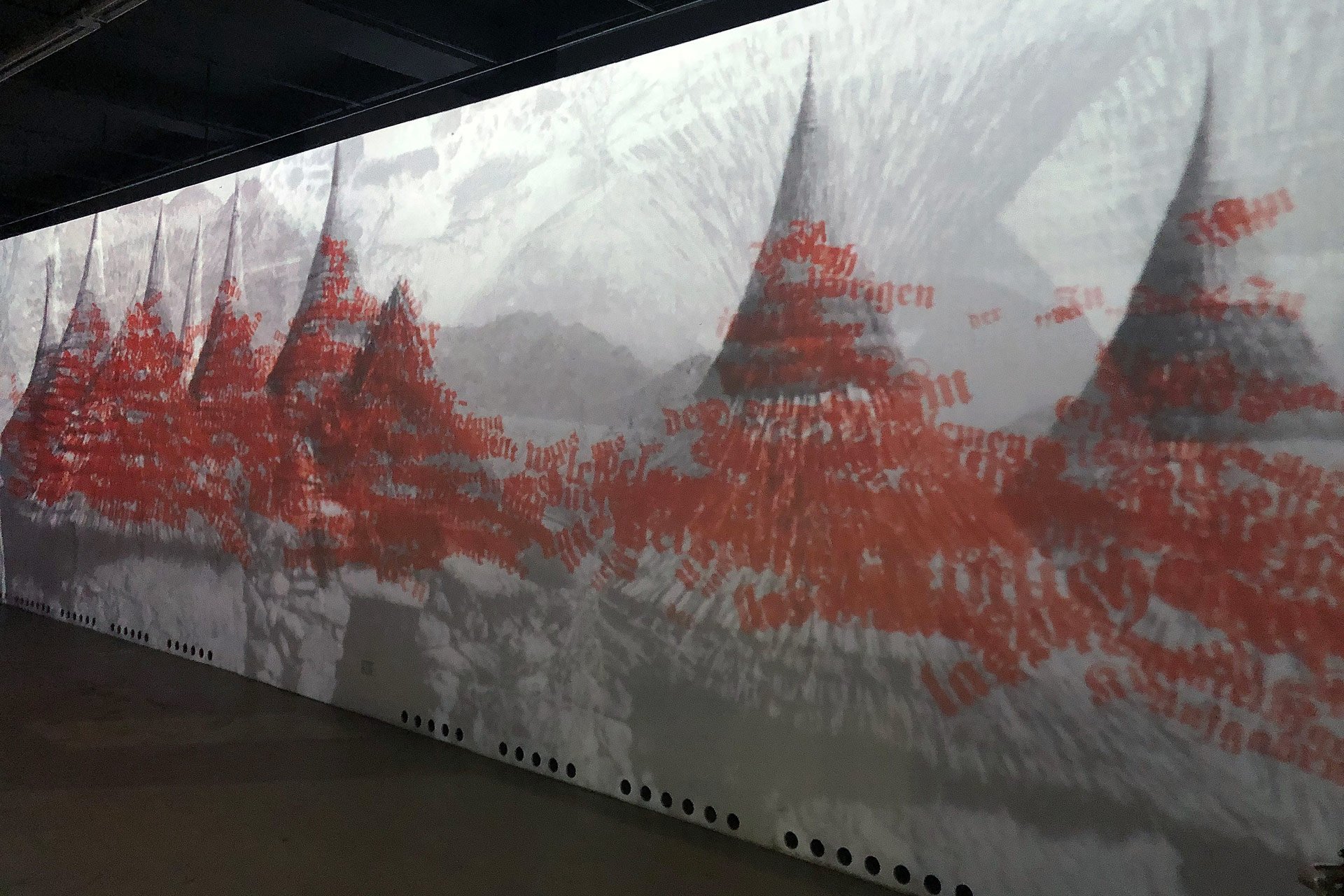
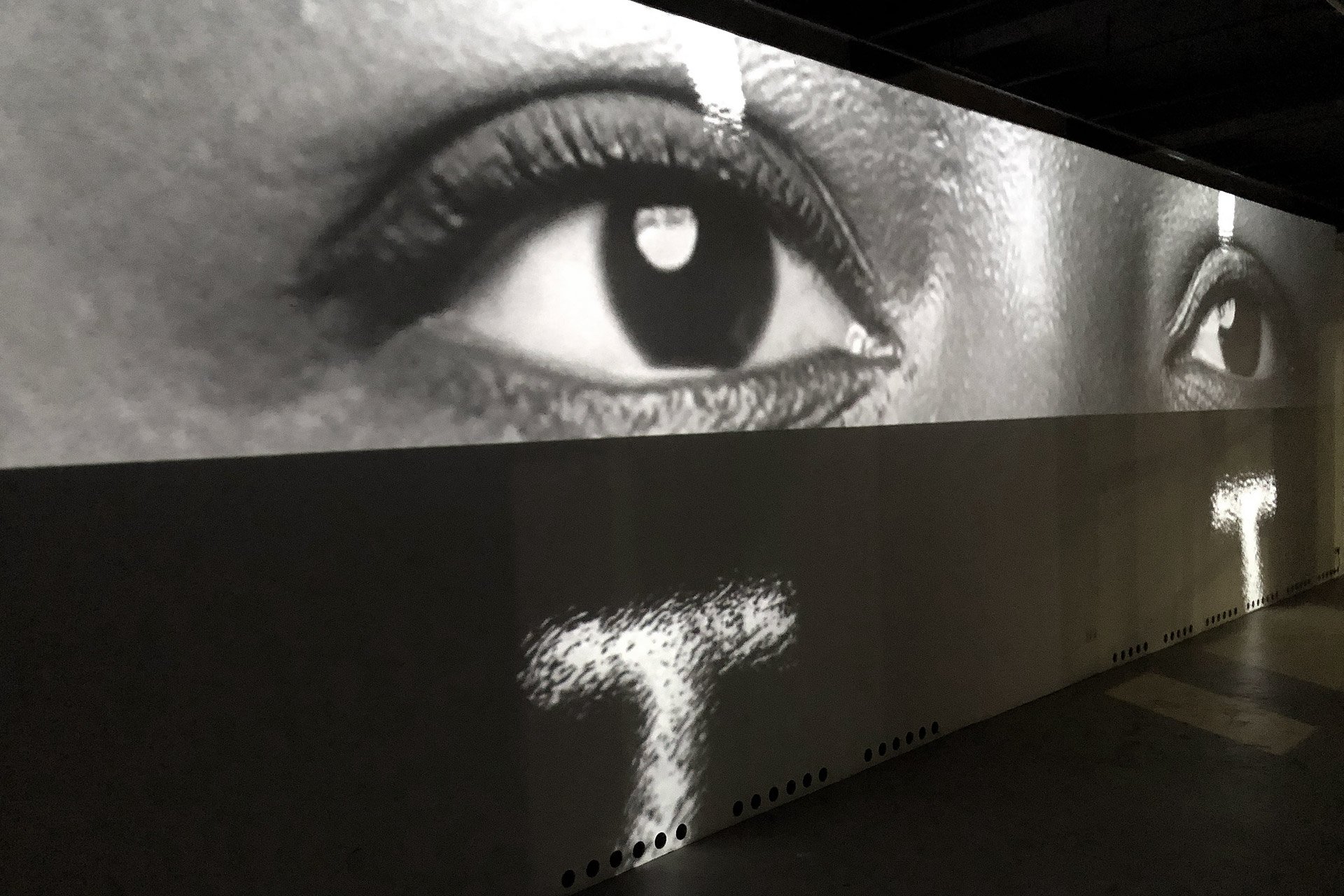
His video installation “Rudolf Duala Manga Bell — a German Story” was presented at ruruhaus, a community space run by documenta fifteen in Kassel as part of Blind Spots in the Sun – a series of art interventions that explores the nexus between colonial history and anti-Black racism in Germany. It was also shown at MARKK Museum in Hamburg, Germany and at Doual’Art in Douala, Cameroon and has won awards at international film festivals.
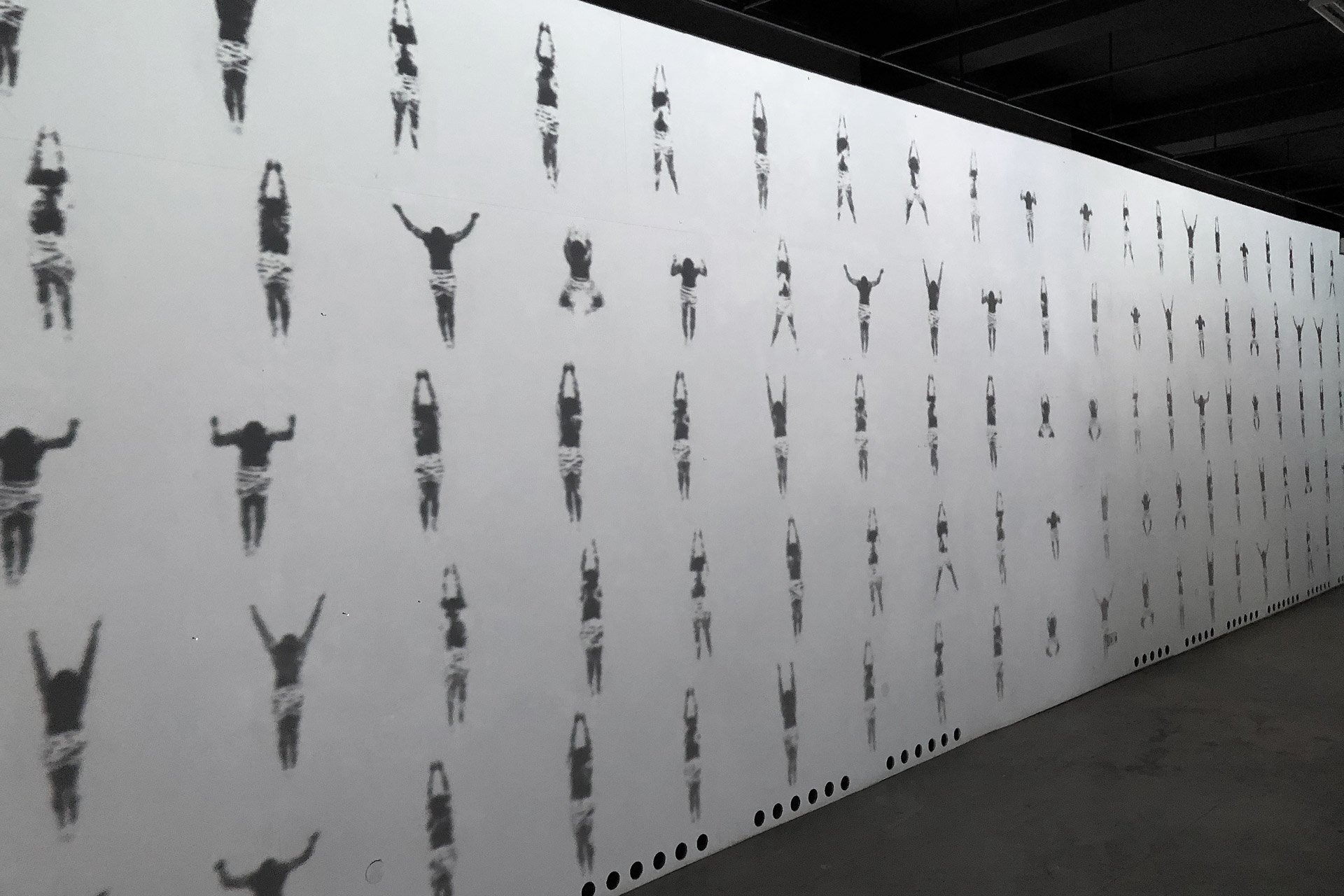
During documenta fifteen, Langsdorf showed two video installations entitled “5 car stud 2.0 / coordinated inauthentic behavior” and “No First Aid/HAPPYLAND” at Galleria Kollektiva and Hugenottenhaus in Kassel, respectively, both in partnership with documenta fifteen.
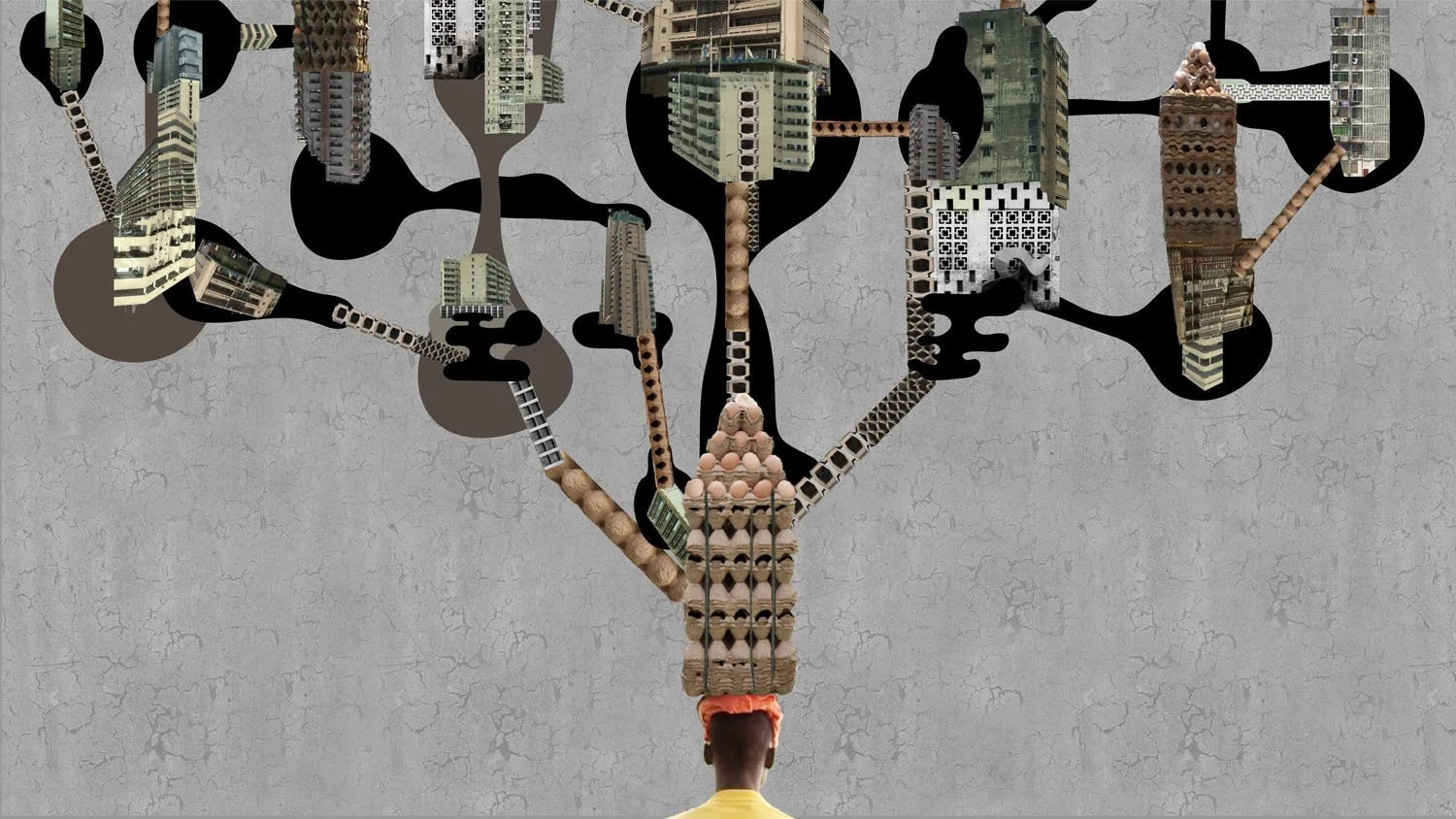
“Ville Fantôme/Kinshasa La Belle”, a two-channel video installation that explores human resilience in the face of explosive growth in African megacities was shown at the Congo Biennale.
Recent shows include The Emotional Tapestries of Urban Spaces, a three-person show about the emotional undercurrents in the built environment at PS122 in New York and an auction benefit for Friends Seminary at 52 Walker.
Currently he is working on visuals for a dance performance that deals with the fallout from Africa’s division by European powers in the 19th and early 20th century in the wake of the Berlin Conference of 1884.
In the summer of 2026 he completed a residency at Yaddo.
Artist statement
I make work about what survives human intervention. Through collage and video, I look at the afterlives of materials, architecture, and power structures as their original purposes erode.
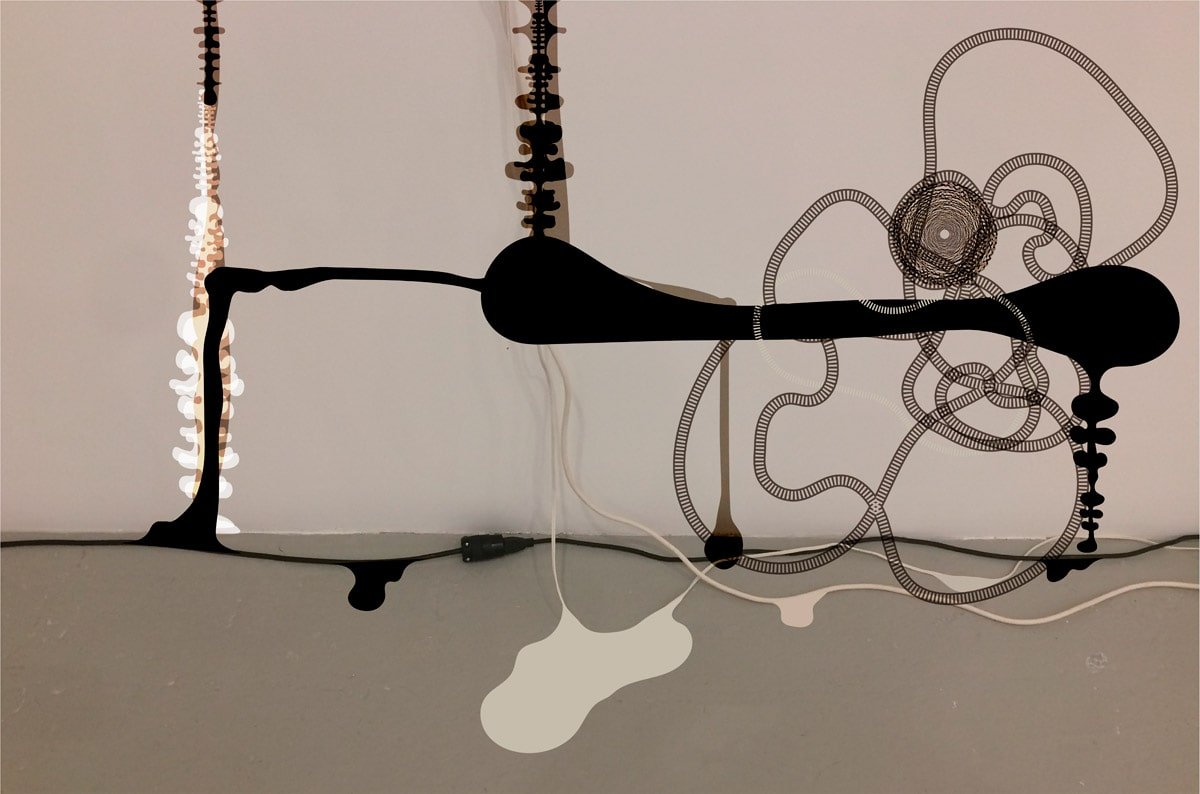
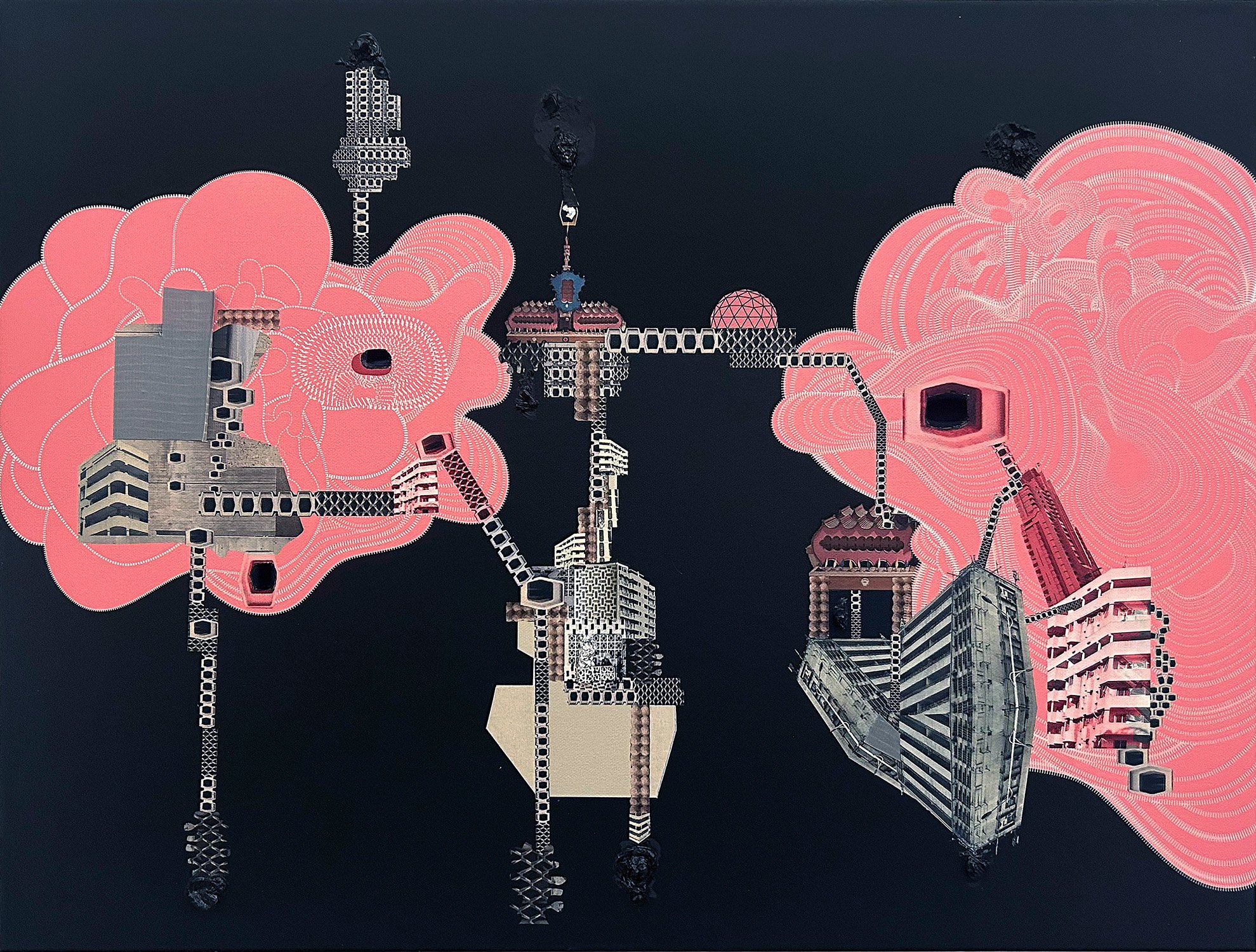
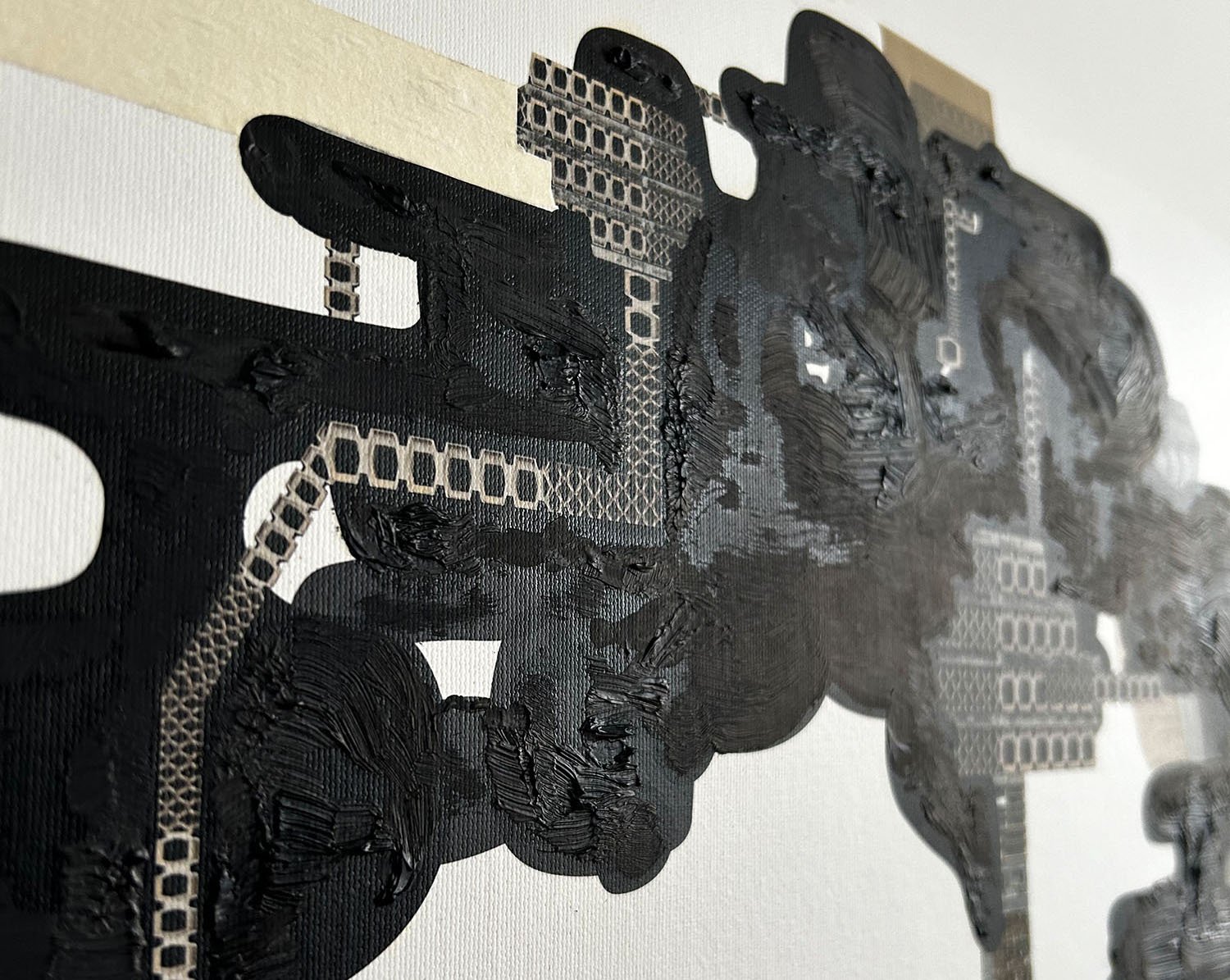
My work draws on photos of places I have lived: buildings and people in Kinshasa, fungi gathered near my parents’ home in Germany, and plastic waste found in New York. In Deep Space, I bring these disparate elements together and shift their scale: fungi and plastic bags become monumental, while buildings shrink to fragile remnants. In Plasticenic, inverted plastic bags meet painted abstract forms, reflecting on plastic’s persistence and its possible place in the geological record of the future.
My video work addresses the overlooked history of German colonialism in Africa and its continuing legacy in Germany. Other works consider failed architectural utopias and the worlds they leave behind. Across these bodies of work, I examine how human interventions leave marks and scars that change over time: what is damaged, what remains, and what begins to grow in its place and how scars transform and acquire new meanings over time.